How to Eat Healthy on a Budget Without Complicated Recipes
Introduction
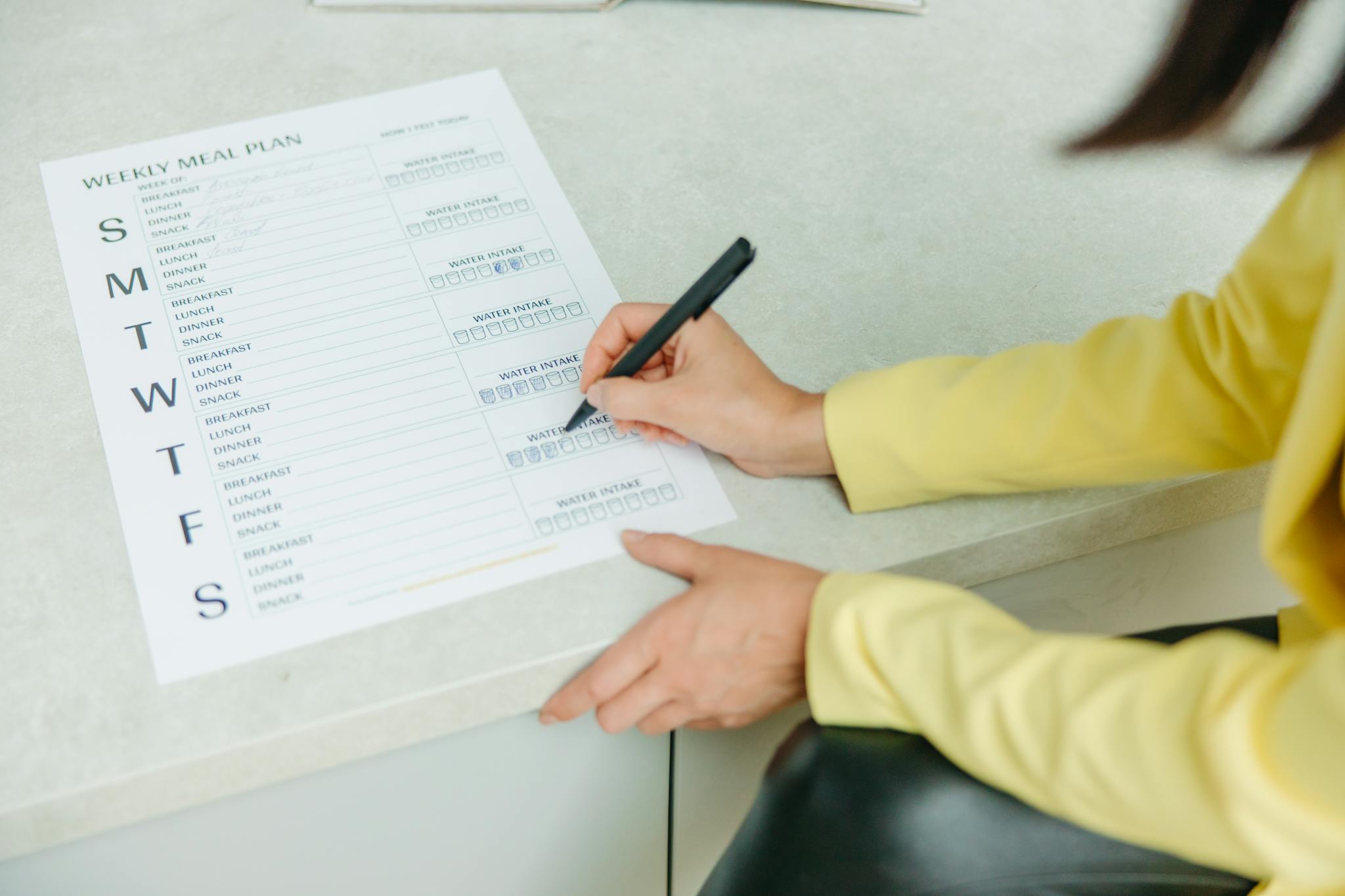
Many people assume that eating healthy requires expensive ingredients or complicated recipes. In reality, structured meal planning can help make nutritious eating more affordable and easier to maintain over time.
Healthy eating does not depend on specialty foods or strict diet programs. Simple planning strategies can help reduce unnecessary grocery spending while still supporting consistent and balanced eating habits.
By focusing on practical meal planning methods, it becomes possible to create meals that are both cost-conscious and nutritionally supportive. Small adjustments in planning habits can often produce noticeable improvements in grocery efficiency and food consistency.
These practical tips are designed to help simplify healthy eating while maintaining control over food expenses.
Why Meal Planning Helps Reduce Food Costs
Unplanned food purchases are one of the most common reasons grocery spending increases unexpectedly. When meals are not planned in advance, it becomes more likely that extra items will be purchased that are not fully used.
Meal planning can help:
- reduce impulse purchases
- prevent unnecessary duplication of ingredients
- limit food waste
- create more efficient grocery lists
- improve use of existing food items
Planning meals before shopping helps create a clearer structure for purchasing decisions.
When shopping decisions are intentional, it becomes easier to stay within a planned budget.
Focus on Simple, Practical Ingredients
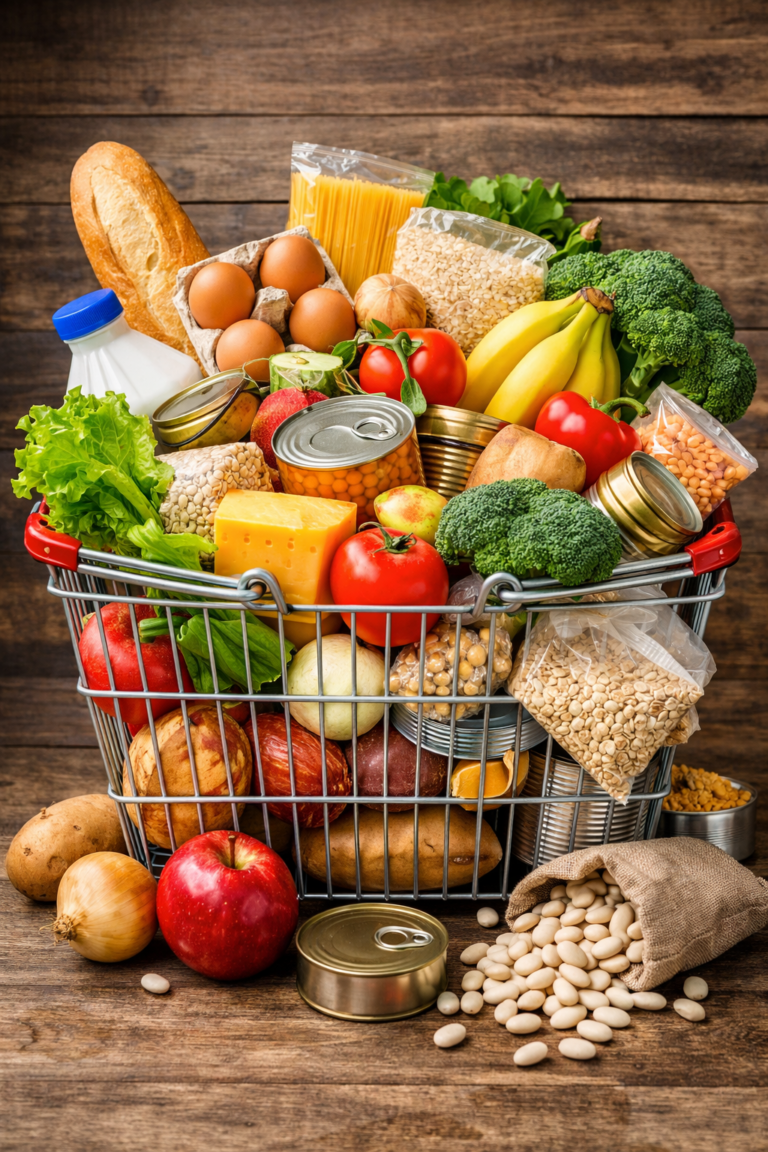
Healthy eating does not require specialty ingredients. Many simple foods can be combined to create balanced meals without increasing costs unnecessarily.
Practical ingredients often include:
- basic protein sources
- grains or carbohydrate sources
- vegetables or fruits
- simple flavor additions
Choosing familiar ingredients that can be used in multiple meals helps reduce waste and improve consistency.
Ingredients that can be combined in different ways often provide the most flexibility.
Plan Meals That Use Similar Ingredients
One effective way to manage grocery costs is to plan meals that share ingredients. When ingredients are used across multiple meals, less food is wasted and shopping becomes more efficient.
Examples include:
- vegetables used in multiple dishes
- protein sources prepared in larger portions
- base ingredients reused throughout the week
- flexible meal combinations
Using similar ingredients across several meals helps simplify grocery planning and reduces the need for frequent shopping trips.
Consistency can help reduce both effort and cost.
Prepare Meals in Manageable Portions
Preparing meals in reasonable quantities can help ensure food is used before it expires. Extremely large portions may not always be practical, especially when variety is preferred.
Balanced preparation can:
- help maintain freshness
- reduce unnecessary waste
- support consistent eating habits
- simplify storage
Some meals can be prepared in slightly larger portions and reused for additional meals when convenient.
Flexible preparation allows adjustments throughout the week.
Avoid Overly Complicated Meal Plans
Complicated meal plans often require more ingredients, more preparation time, and more detailed coordination. This can increase both effort and grocery costs.
Simpler meals are often easier to maintain and more adaptable when schedules change.
Practical meal planning focuses on:
- easy preparation methods
- flexible ingredient combinations
- repeatable meal structures
- manageable preparation time
Simple approaches are often more sustainable long-term.
Use a Structured Grocery List
A structured grocery list can help prevent unnecessary purchases. Shopping with a clear plan often leads to more efficient decision-making.
Organized lists can:
- reduce forgotten items
- limit extra purchases
- improve shopping efficiency
- support consistent planning habits
A simple list based on planned meals helps maintain focus during shopping.
Structured planning can help maintain control over food spending.
Maintain Flexibility in Meal Planning
Not every meal needs to be strictly planned. Allowing flexibility can make the process feel more manageable.
Flexibility allows:
- adjustments for schedule changes
- use of available ingredients
- gradual improvement of planning habits
- realistic long-term consistency
Meal planning should feel supportive rather than restrictive.
Small improvements in structure can produce meaningful results over time.
Final Thoughts
Healthy eating on a budget becomes more manageable when meal planning is simple and consistent. Practical planning strategies can help reduce unnecessary spending while supporting structured eating habits.
Balanced meals do not require complicated systems or expensive ingredients. Consistency and simplicity often create the most sustainable results.
By focusing on practical meal planning habits, it becomes easier to maintain both nutritional consistency and grocery efficiency.