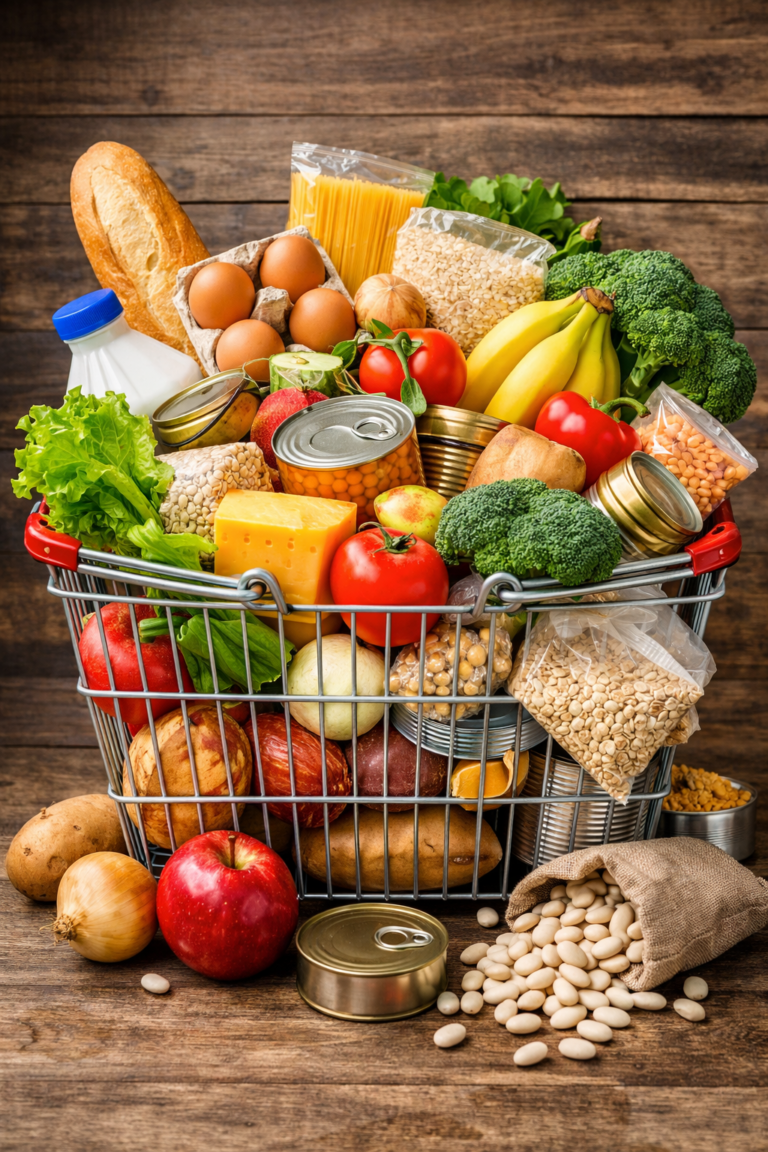
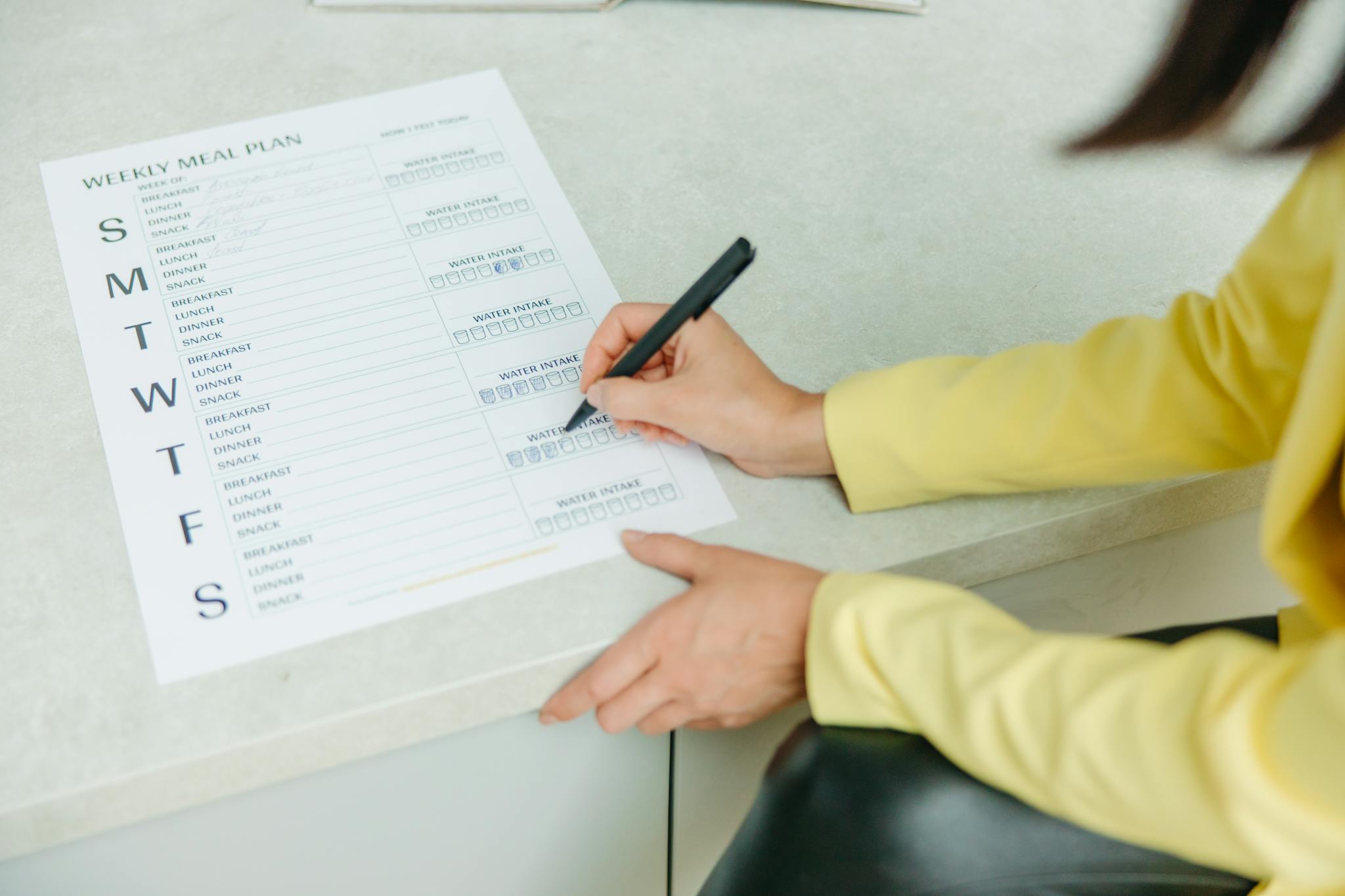
How to Create a Simple Weekly Meal Plan That Actually Saves Money
Meal planning sounds simple… yet many people avoid it because they think it requires complicated spreadsheets, strict diets, or hours of preparation.
In reality, a simple weekly meal plan can reduce grocery spending, prevent food waste, and eliminate the stress of deciding what to eat every day.
Many households overspend on food not because groceries are expensive — but because meals are not planned ahead of time.
Without a plan, people tend to:
- order takeout more often
- buy duplicate ingredients
- throw away spoiled food
- purchase items they don’t actually need
- shop impulsively while hungry
- rely on convenience foods that cost more
A simple meal plan removes guesswork and replaces it with structure — and structure saves money.
The goal is not perfection.
The goal is consistency.
Even a basic plan can significantly reduce weekly food costs.
Why Meal Planning Saves More Money Than Budgeting Alone
Many people try to control food spending by setting a grocery budget.
But budgeting alone doesn’t solve the real problem — decision making in the moment.
When you’re tired, busy, or hungry, convenience often wins over cost savings.
Meal planning helps you:
- reduce impulse purchases
- avoid expensive last-minute meals
- buy only what you need
- use ingredients more efficiently
- reduce food spoilage
- simplify shopping trips
- cook more meals at home
Over time, these small changes can save hundreds or even thousands of dollars per year.
Step 1: Start Small (Do Not Plan Every Meal)
One of the biggest mistakes beginners make is trying to plan every breakfast, lunch, dinner, and snack immediately.
This quickly becomes overwhelming.
Instead, start with:
- 3–4 dinners
- 2 simple lunch ideas
- repeat breakfasts
Many people already eat similar breakfasts each day, so there is no need to overcomplicate things.
Examples of simple repeat breakfasts:
- oatmeal
- eggs and toast
- yogurt and fruit
- smoothies
- cereal
Focus your planning energy on dinners first, since they are often the most expensive and time-consuming meals.
Step 2: Choose Simple Meals With Overlapping Ingredients
Buying ingredients that can be used in multiple meals is one of the easiest ways to reduce food costs.
For example, a single package of chicken can be used for:
- chicken stir fry
- chicken wraps
- chicken salad
- chicken pasta
- chicken tacos
Using overlapping ingredients helps:
- reduce grocery spending
- minimize food waste
- simplify your shopping list
- save preparation time
Example ingredient overlap:
Rice can be used for:
- stir fry
- burrito bowls
- side dishes
- soups
Vegetables can often be used across several meals as well.
Step 3: Build Your Grocery List From Your Meal Plan
Always create your meal plan first.
Then build your grocery list based on the plan.
This prevents buying items that do not have a purpose.
A simple grocery list structure:
Proteins
chicken
eggs
beans
ground beef
tofu
Vegetables
broccoli
carrots
spinach
peppers
onions
Fruits
bananas
apples
berries
Grains
rice
pasta
bread
wraps
Dairy or alternatives
milk
cheese
yogurt
Pantry staples
olive oil
spices
salt
pepper
sauce ingredients
Shopping with a list reduces impulse purchases and keeps grocery trips efficient.
Step 4: Plan Meals Around Your Schedule
Your weekly schedule should influence your meal choices.
For example:
Busy evenings should include fast meals.
Days with more free time can include meals that require more preparation.
Example:
Monday – quick stir fry (20 minutes)
Tuesday – tacos (simple prep)
Wednesday – leftovers
Thursday – slow cooker meal
Friday – homemade pizza
Matching meals to your schedule makes it easier to stay consistent.
Consistency is what leads to savings.
Step 5: Use a Simple Meal Planning Formula
To keep planning fast and repeatable, use a basic structure:
1 protein
1 vegetable
1 grain or starch
Examples:
Chicken + broccoli + rice
Ground beef + peppers + tortillas
Eggs + spinach + toast
Salmon + asparagus + potatoes
This simple formula makes it easy to create dozens of meal combinations without needing complex recipes.
Step 6: Keep a Running List of Easy Meal Ideas
Create a list of meals that are:
- affordable
- simple to prepare
- commonly enjoyed in your household
Example list:
- pasta with vegetables
- tacos
- stir fry
- omelettes
- chili
- soup
- baked chicken
- rice bowls
- wraps
- slow cooker meals
This list becomes your personal meal planning resource.
Over time, planning becomes faster and easier.
Step 7: Schedule a Weekly Planning Time
Choose a consistent time each week to create your meal plan.
Many people prefer:
Saturday morning
Sunday afternoon
Friday evening
Meal planning usually takes only 10–15 minutes once you get used to it.
Setting a routine prevents last-minute decisions that often lead to overspending.
Example of a Simple Weekly Meal Plan
Monday
chicken stir fry with vegetables and rice
Tuesday
ground beef tacos with lettuce and cheese
Wednesday
leftovers
Thursday
pasta with tomato sauce and spinach
Friday
homemade pizza or flatbread
Lunch ideas:
wraps
salads
leftovers
Breakfast ideas:
oatmeal
eggs
smoothies
yogurt
Snacks:
fruit
nuts
crackers
cheese
This type of plan keeps meals simple, affordable, and flexible.
Additional Tips That Help Reduce Food Costs
Buy versatile ingredients
Choose foods that can be used in multiple meals.
Use leftovers intentionally
Cook slightly larger portions so leftovers become future meals.
Freeze extra portions
Many meals freeze well and can save time later.
Avoid complicated recipes
Complex recipes often require expensive ingredients used only once.
Check what you already have
Look in your fridge and pantry before planning meals.
Do not shop while hungry
Hungry shoppers tend to buy more food than necessary.
Rotate favorite meals
Repeating meals occasionally can simplify planning.
Simple Tools That Make Meal Planning Easier
Meal planning does not require expensive tools.
Basic options:
- printable meal planners
- grocery list templates
- notes apps
- calendar reminders
- recipe organizers
Some people prefer digital tools, while others prefer paper planners.
Choose whatever makes the process easier to maintain.
Final Thoughts
Meal planning does not need to be complicated to be effective.
A simple weekly plan:
- reduces stress
- saves time
- lowers grocery costs
- helps avoid takeout spending
- reduces food waste
The key is to keep the process simple and repeatable.
Once meal planning becomes a habit, saving money on food becomes much easier.